The Farm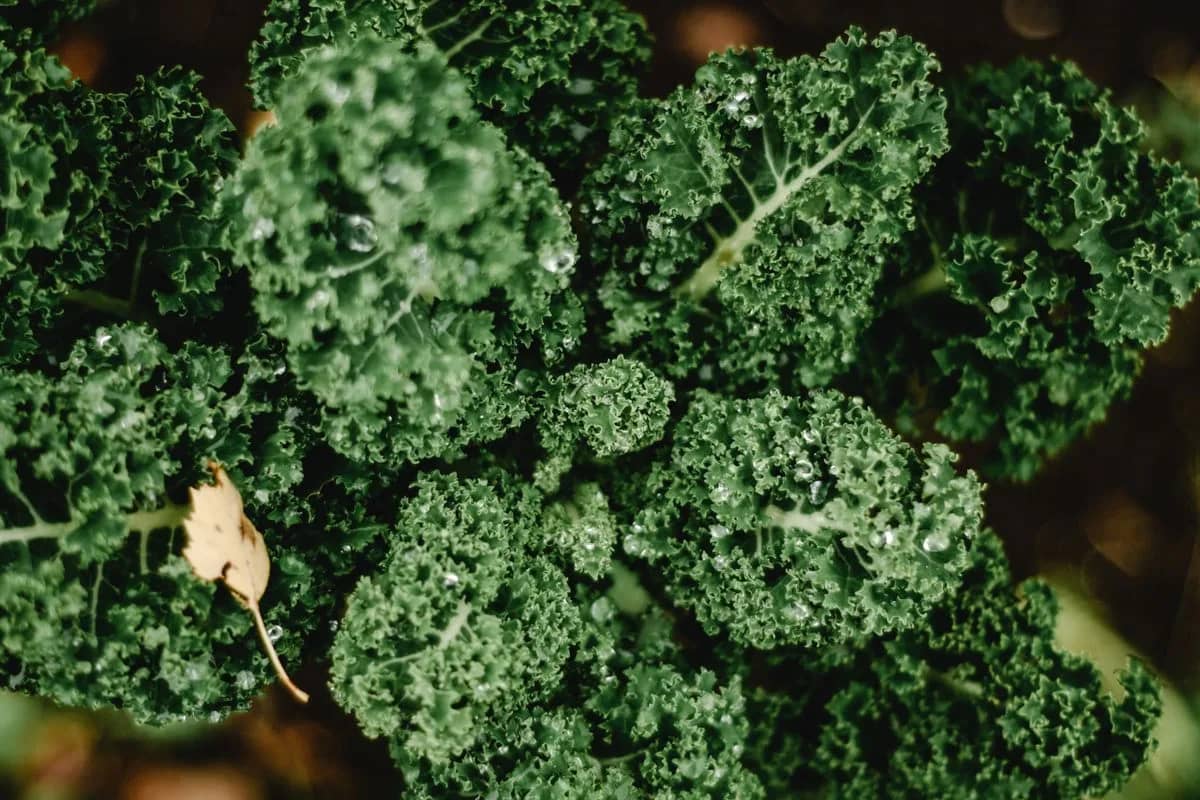
Leafy Greens
Kale
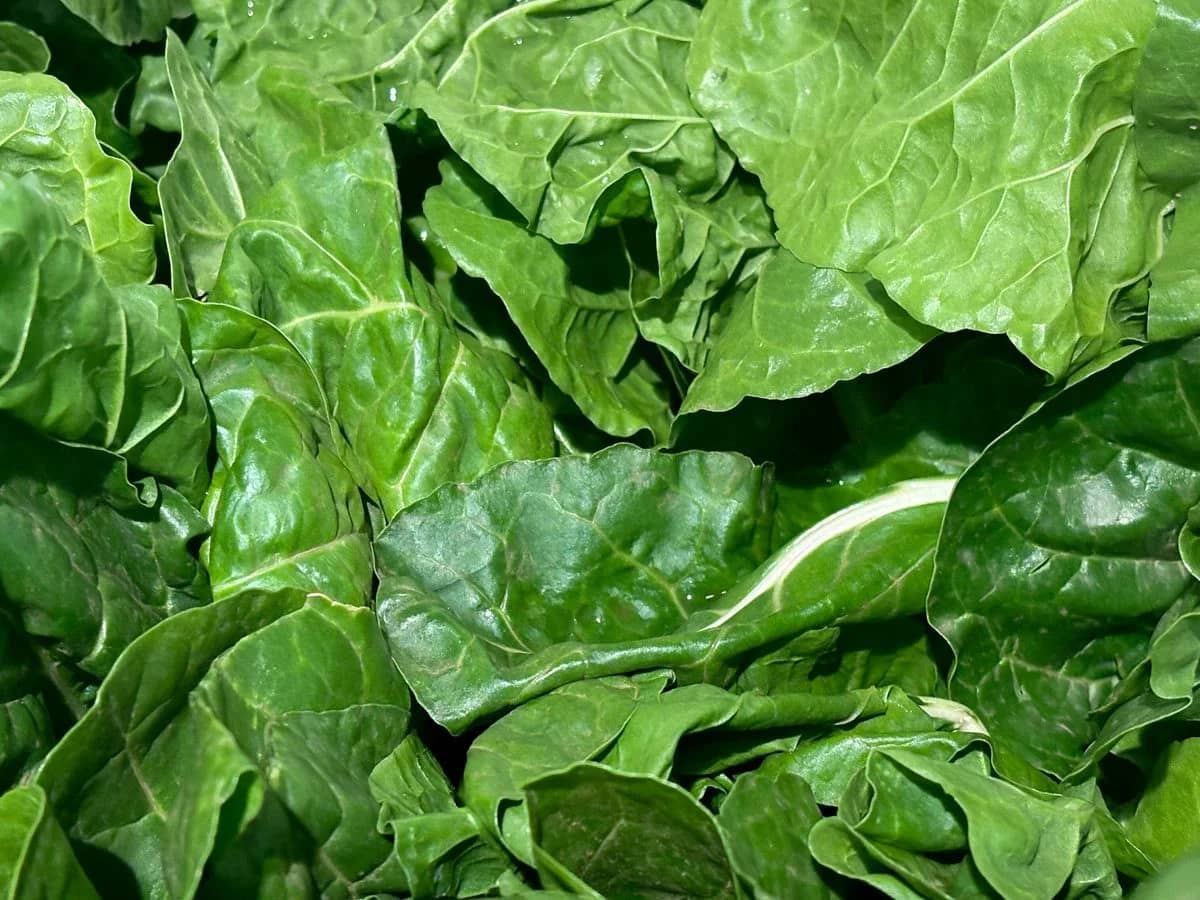
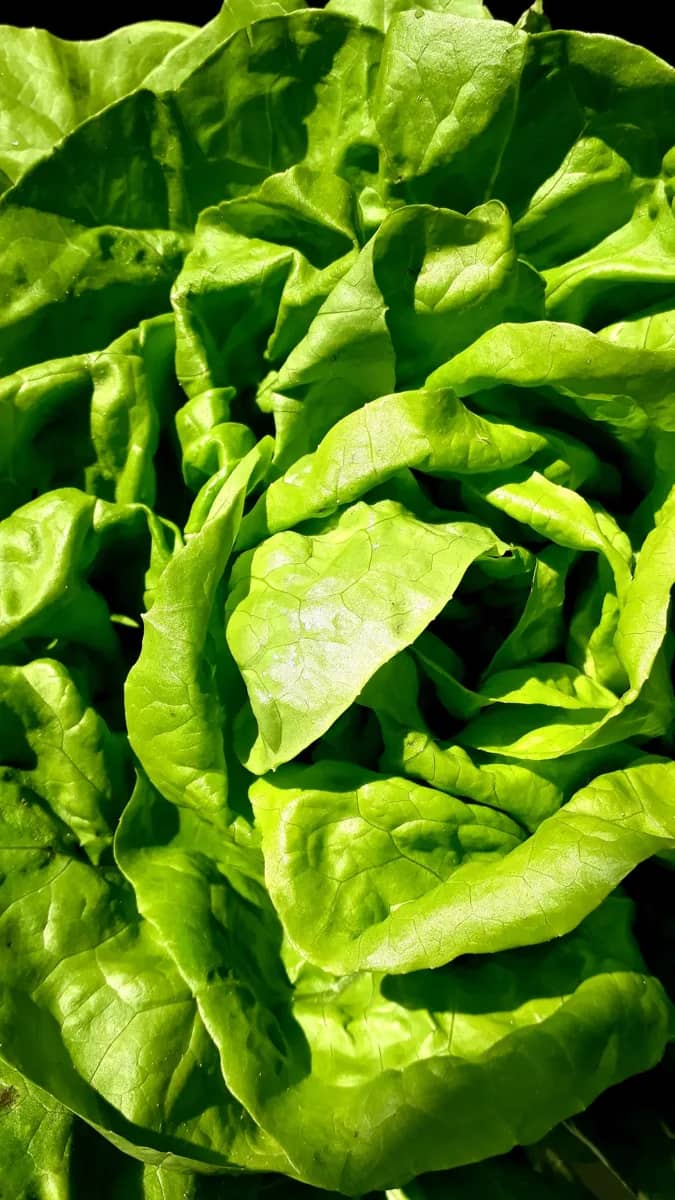
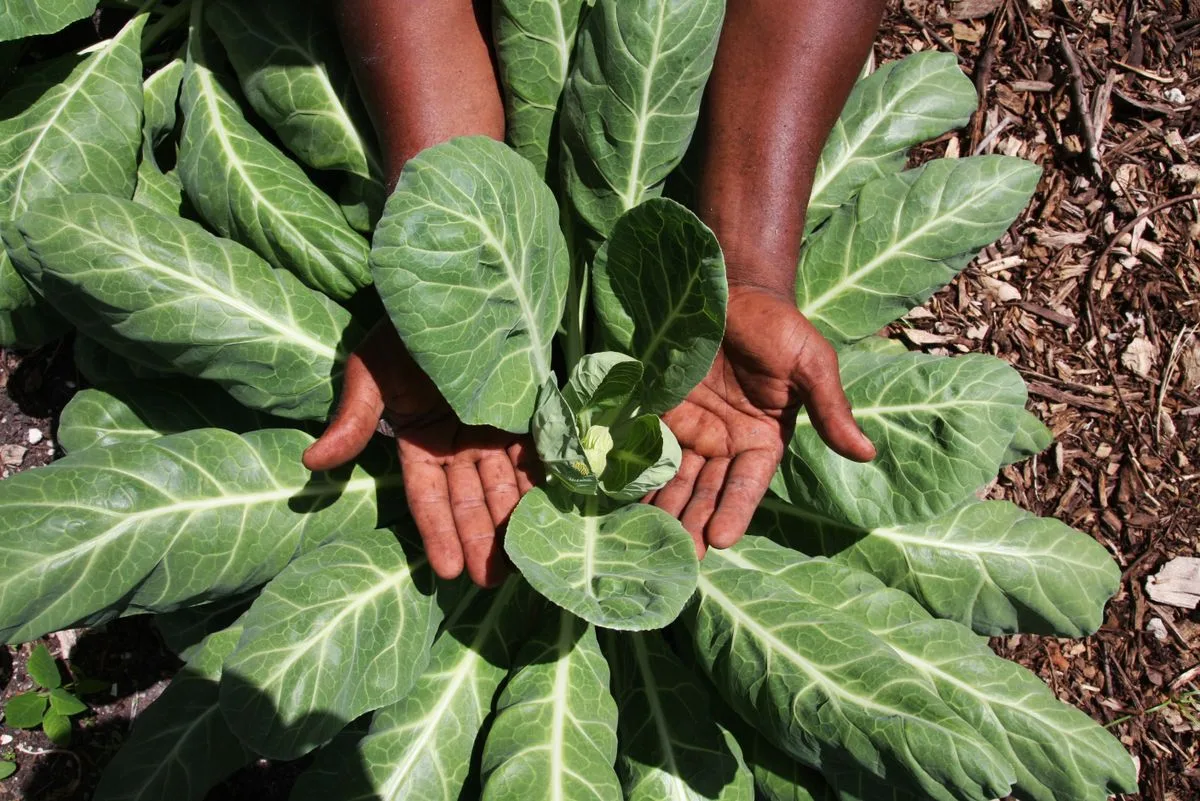
A hardy brassica harvested leaf by leaf. Holds up to heat, massages down for salads, and anchors the leafy greens UCF grows.
Farm-to-table
Standards & SafetyHow kale gets from the farm to you.
- Controlled environmentGrown indoors with light, water and nutrients managed.
- HarvestPicked at the right stage, close to where it's eaten.
- TransparencyBatch records and third-party testing for this crop will appear here as UCF brings them online.
- Shorter supply chainNo long haul, no long storage.
- TableDelivered or picked up locally, still fresh.
What’s inside kale.
A snapshot of why this crop is nutritionally interesting. Tap a nutrient to go deeper.
Full reference composition
Reference food: Kale, raw, USDA FoodData Central (Foundation Food, FDC ID 323505). These are reference values for the food, not measurements of a UCF harvest.
Reference data
| Nutrient | Amount | % DV |
|---|---|---|
| Vitamin K | 390 µg | 325% |
| Vitamin C | 93.4 mg | 104% |
| Vitamin A | 241 µg RAE | 27% |
| Folate | 62 µg (food folate) | 16% |
| Manganese | 0.92 mg | 40% |
| Calcium | 254 mg | 20% |
| Vitamin B6 | 0.15 mg | 9% |
| Iron | 1.6 mg | 9% |
| Magnesium | 32.7 mg | 8% |
| Potassium | 348 mg | 7% |
| Dietary fiber | 4.1 g | 15% |
| Beta-carotene | 2870 µg | |
| Lutein + zeaxanthin | 6260 µg |
Sources & references (11)
- Kale, raw (Foundation Food) · USDA Agricultural Research Service, FoodData Centralhttps://fdc.nal.usda.gov/food-details/323505/nutrients
- Vitamin K — Fact Sheet for Health Professionals · National Institutes of Health, Office of Dietary Supplementshttps://ods.od.nih.gov/factsheets/VitaminK-HealthProfessional/
- Vitamin C — Fact Sheet for Health Professionals · National Institutes of Health, Office of Dietary Supplementshttps://ods.od.nih.gov/factsheets/VitaminC-HealthProfessional/
- Vitamin A and Carotenoids — Fact Sheet for Health Professionals · National Institutes of Health, Office of Dietary Supplementshttps://ods.od.nih.gov/factsheets/VitaminA-HealthProfessional/
- Folate — Fact Sheet for Health Professionals · National Institutes of Health, Office of Dietary Supplementshttps://ods.od.nih.gov/factsheets/Folate-HealthProfessional/
- Manganese — Fact Sheet for Health Professionals · National Institutes of Health, Office of Dietary Supplementshttps://ods.od.nih.gov/factsheets/Manganese-HealthProfessional/
- Calcium — Fact Sheet for Health Professionals · National Institutes of Health, Office of Dietary Supplementshttps://ods.od.nih.gov/factsheets/Calcium-HealthProfessional/
- Vitamin B6 — Fact Sheet for Health Professionals · National Institutes of Health, Office of Dietary Supplementshttps://ods.od.nih.gov/factsheets/VitaminB6-HealthProfessional/
- Iron — Fact Sheet for Health Professionals · National Institutes of Health, Office of Dietary Supplementshttps://ods.od.nih.gov/factsheets/Iron-HealthProfessional/
- Magnesium — Fact Sheet for Health Professionals · National Institutes of Health, Office of Dietary Supplementshttps://ods.od.nih.gov/factsheets/Magnesium-HealthProfessional/
- Potassium — Fact Sheet for Health Professionals · National Institutes of Health, Office of Dietary Supplementshttps://ods.od.nih.gov/factsheets/Potassium-HealthProfessional/
How it supports the body.
Nutrients in kale play a role in these systems. Each one opens in the Atlas with its sources.
- Brain & Nervous SystemThe brain, spinal cord and nerves that carry signals through the body.
- Immune SystemThe cells and tissues that recognize and respond to what shouldn't be there.
- Cardiovascular SystemThe heart and blood vessels that move oxygen and nutrients around the body.
- Musculoskeletal SystemBones, muscles and connective tissue: structure and movement.