Vitamin C
A water-soluble vitamin the body cannot make, so it comes from food.
What it does
- Collagen synthesisCollagen synthesis produces collagen, a structural protein found throughout connective tissues.
- Physiological antioxidant activityAntioxidant activity helps limit reactions involving reactive molecules through normal biochemical processes.
- Immune functionImmune function includes the coordinated activity of cells, tissues and biological processes involved in normal immune responses.
Where it works in the body
Found in UCF crops
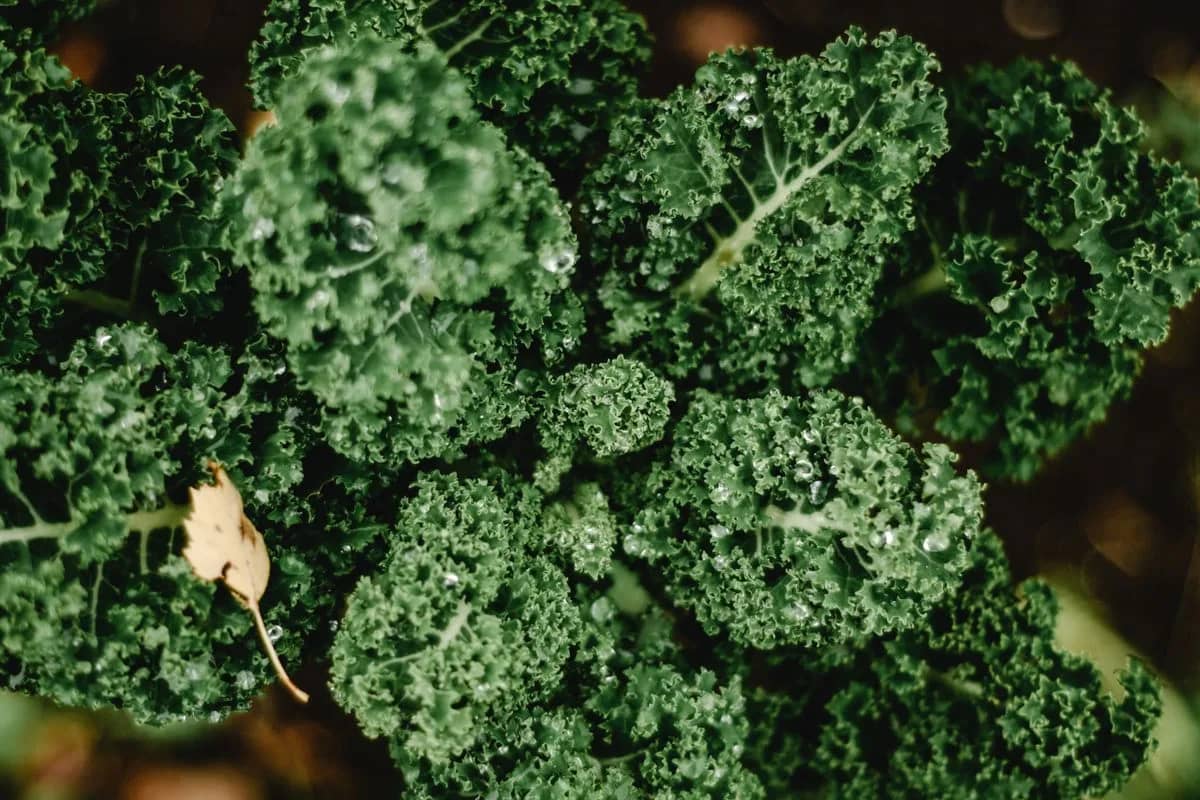
Reference composition
Reference data
| Crop | Amount | % DV |
|---|---|---|
| Kale | 93.4 mg | 104% |
Sources & references (4)
- Kale, raw (Foundation Food) · USDA Agricultural Research Service, FoodData Centralhttps://fdc.nal.usda.gov/food-details/323505/nutrients
- Daily Value on the Nutrition and Supplement Facts Labels · U.S. Food and Drug Administrationhttps://www.fda.gov/food/nutrition-facts-label/daily-value-nutrition-and-supplement-facts-labels
- Vitamin C — Fact Sheet for Health Professionals · National Institutes of Health, Office of Dietary Supplementshttps://ods.od.nih.gov/factsheets/VitaminC-HealthProfessional/
- Vitamin A and Carotenoids — Fact Sheet for Health Professionals · National Institutes of Health, Office of Dietary Supplementshttps://ods.od.nih.gov/factsheets/VitaminA-HealthProfessional/