Open Skin on the body map
Body system
Skin
Your body's outer covering, also called the integumentary system. It holds fluids in, keeps out germs, lets you feel heat, cold and pain, and helps control body temperature.
How nutrients support this system
Each nutrient plays a different part. Open a profile to follow the process, its sources and the foods that carry that nutrient.
- Vitamin CSkin is made partly of collagen, a structural protein. Your body needs vitamin C to make collagen, which it also uses to repair a wound.
- Vitamin AVitamin A helps the body form and maintain skin. This is part of its wider job of helping cells grow and develop into the specialized types each tissue needs.
Explore the scientific terms
Functions associated with nutrients in our reference-food profiles. System groupings are editorial and can overlap; they do not establish health outcomes from eating a crop.
- Collagen synthesisCollagen synthesis produces collagen, a structural protein found throughout connective tissues.
- Cellular differentiationCellular differentiation is the process through which cells develop specialized structures and functions.
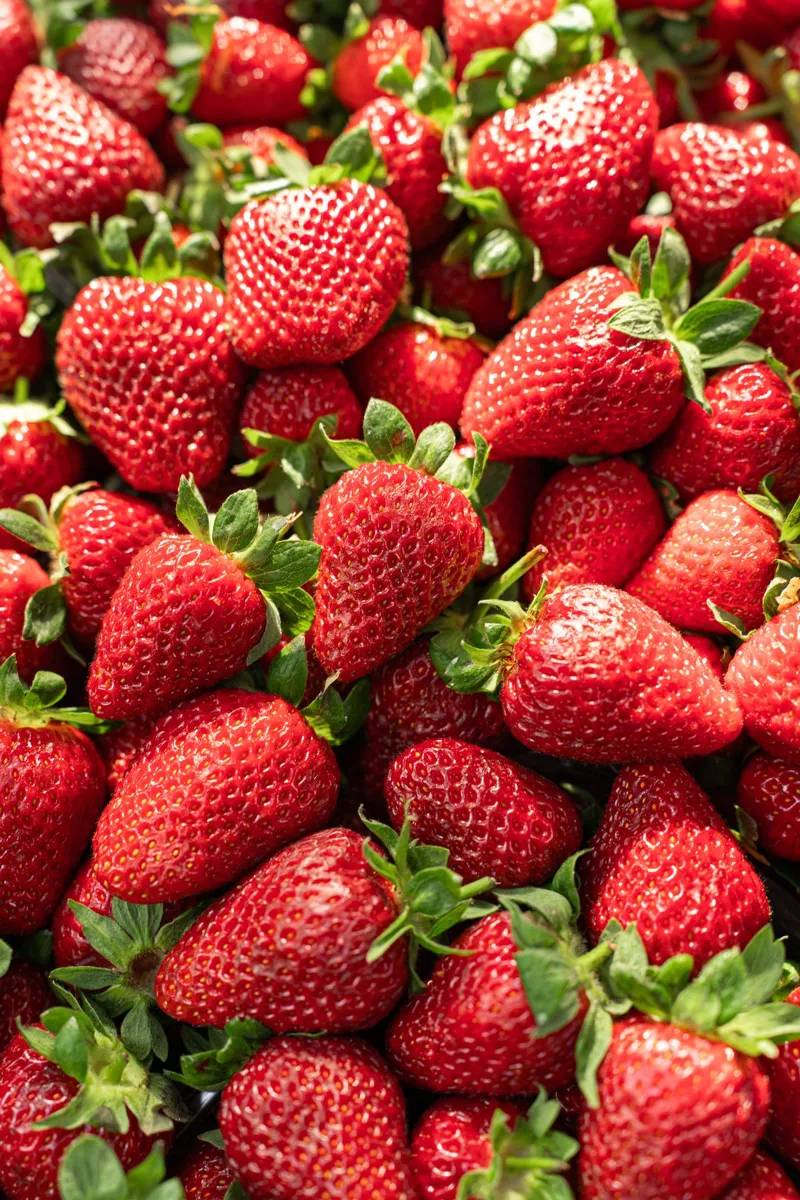
Foods that carry those nutrients
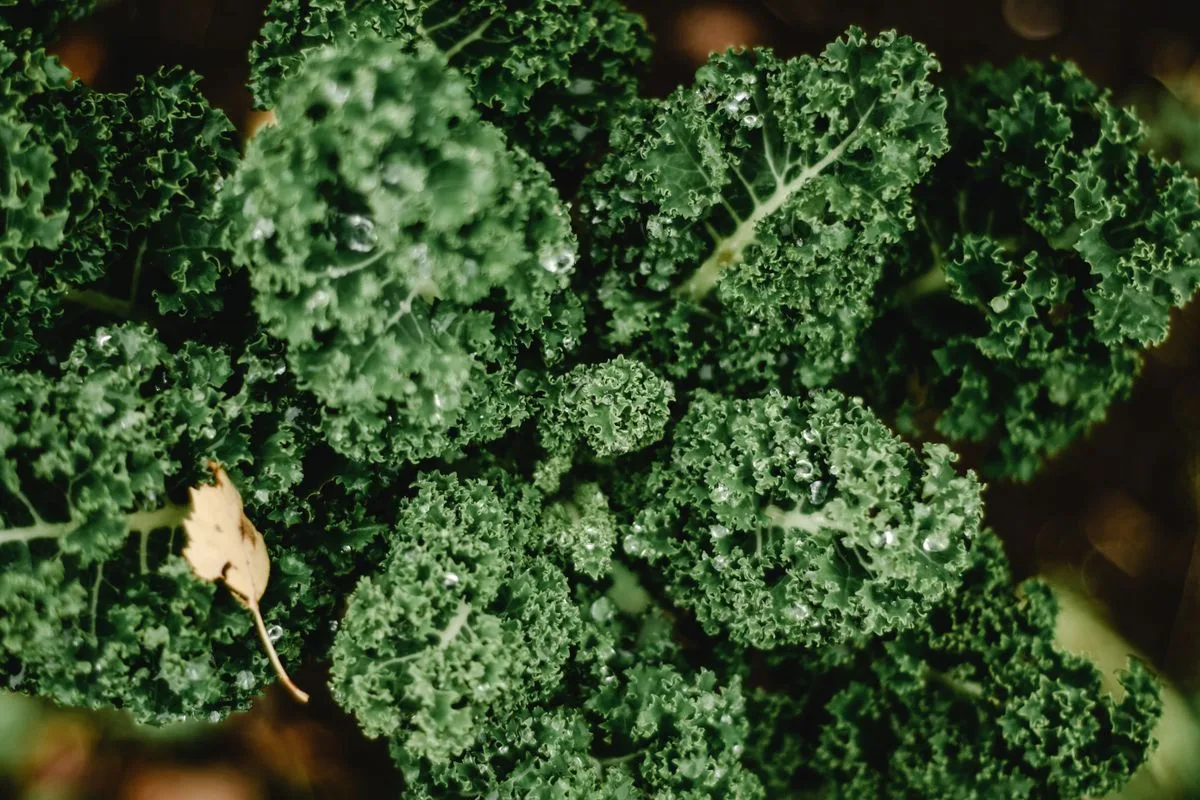
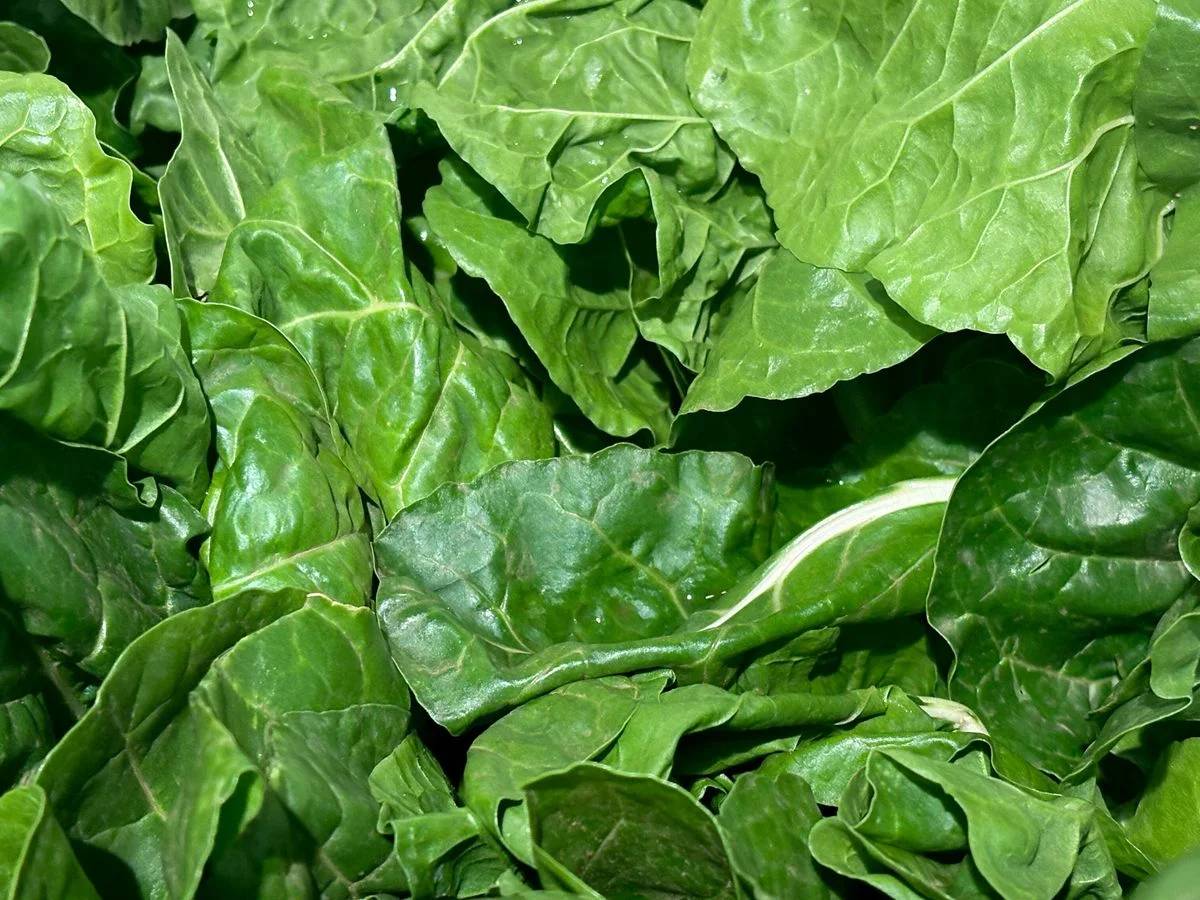
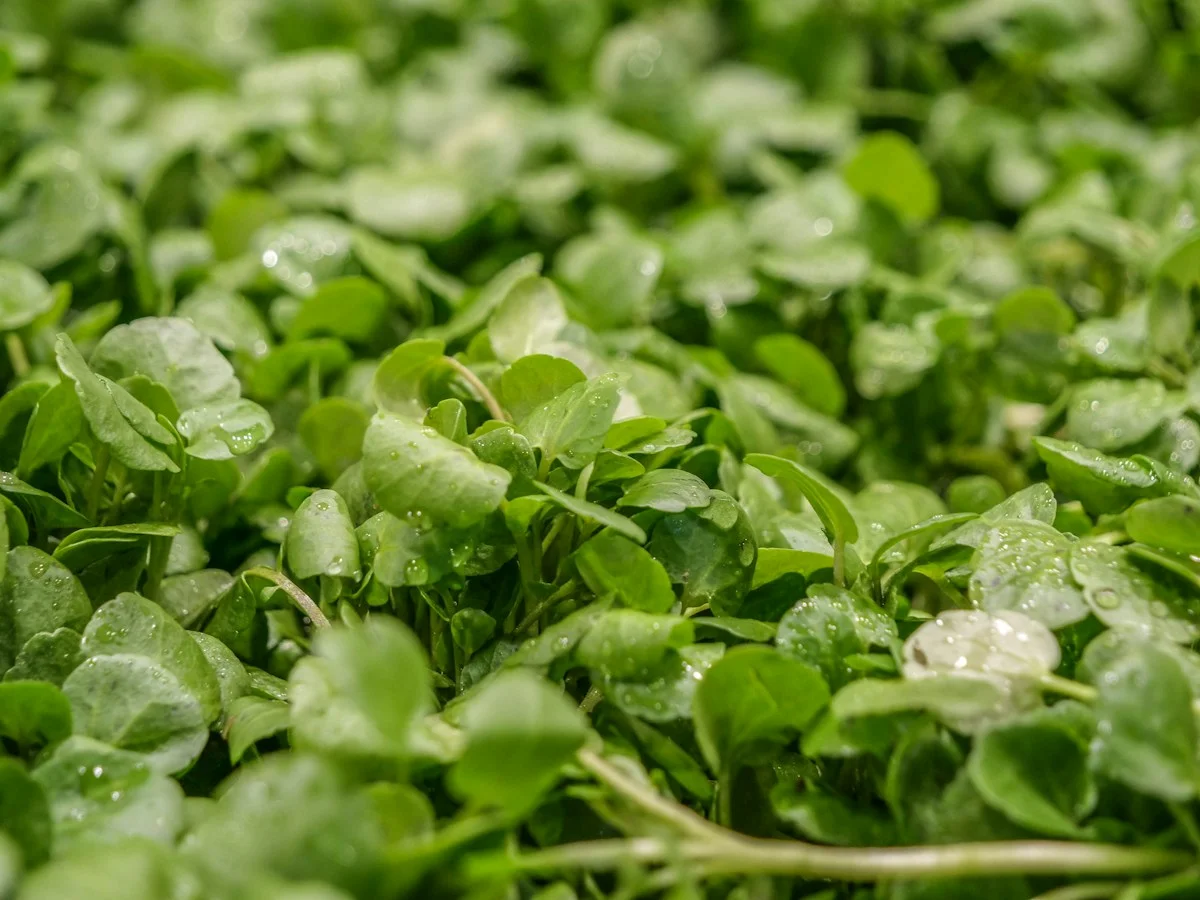
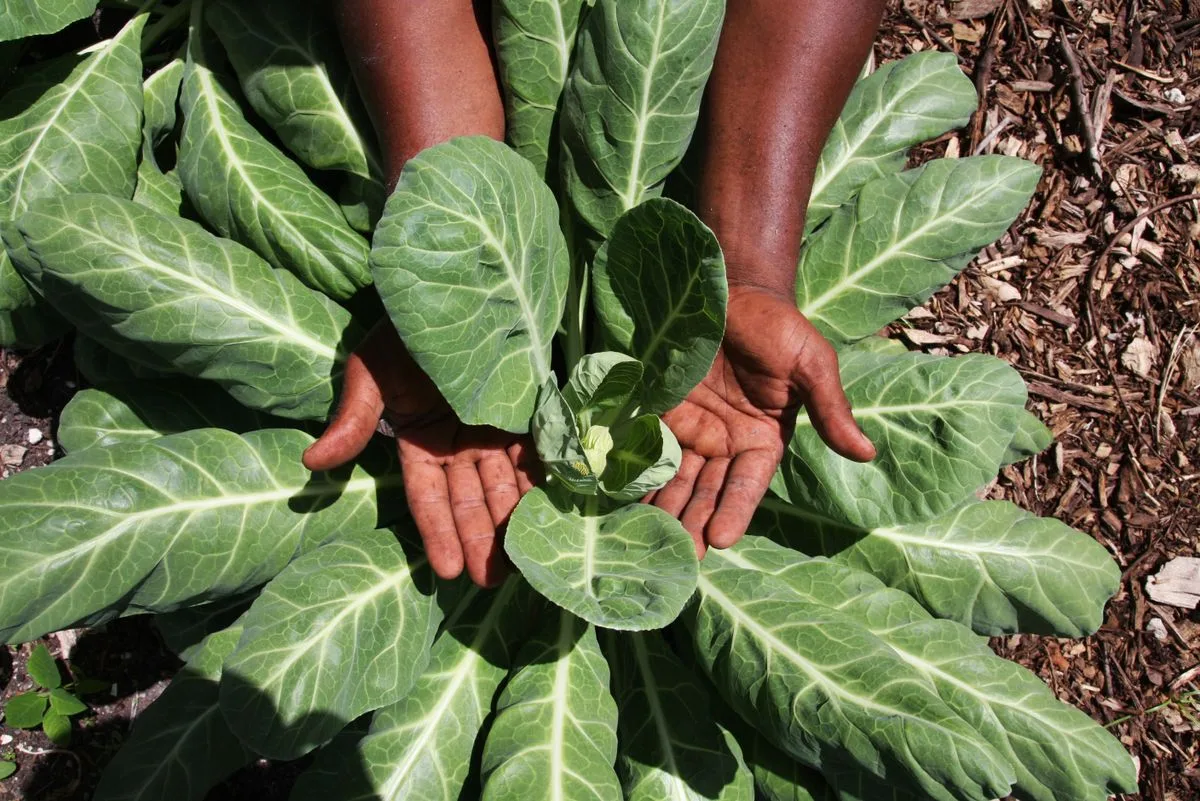


Sources & references (6)
- Vitamin C: Fact Sheet for Health Professionals · National Institutes of Health, Office of Dietary SupplementsVitamin C's role in collagen synthesis, physiological antioxidant activity and immune function.Source details in the Atlas: Vitamin C: Fact Sheet for Health Professionalshttps://ods.od.nih.gov/factsheets/VitaminC-HealthProfessional/
- Vitamin A and Carotenoids: Fact Sheet for Health Professionals · National Institutes of Health, Office of Dietary SupplementsVitamin A's role in vision, immune function and cellular differentiation; provitamin-A vs non-provitamin-A carotenoids.Source details in the Atlas: Vitamin A and Carotenoids: Fact Sheet for Health Professionalshttps://ods.od.nih.gov/factsheets/VitaminA-HealthProfessional/
- Vitamin C: Medical Encyclopedia · National Library of Medicine, MedlinePlusVitamin C, collagen and the growth and repair of skin, tendons, ligaments and blood vessels.Source details in the Atlas: Vitamin C: Medical Encyclopediahttps://medlineplus.gov/ency/article/002404.htm
- Vitamin A: Medical Encyclopedia · National Library of Medicine, MedlinePlusVitamin A helps form and maintain teeth, skeletal and soft tissue, mucous membranes and skin.Source details in the Atlas: Vitamin A: Medical EncyclopediaFunction section: "Vitamin A helps form and maintain healthy teeth, skeletal and soft tissue, mucus membranes, and skin." Reviewed 1/21/2025.https://medlineplus.gov/ency/article/002400.htm
- Skin Conditions · National Library of Medicine, MedlinePlusWhat the skin is and does: it covers the outside of the body, holds fluids in, keeps out germs, senses heat, cold and pain, and helps control body temperature.Source details in the Atlas: Skin ConditionsSummary: "It covers the entire outside of your body." Page updated April 23, 2024. Used for the Skin description only, not for any condition or treatment.https://medlineplus.gov/skinconditions.html
- Dietary Supplements for Immune Function and Infectious Diseases · National Institutes of Health, Office of Dietary SupplementsVitamin A and vitamin C roles in tissue barriers and immune-cell function; distinct from evidence that supplements prevent or treat infections.Source details in the Atlas: Dietary Supplements for Immune Function and Infectious DiseasesTeaching locators: Vitamins and minerals sections, Vitamin A and Vitamin C introductions.https://ods.od.nih.gov/factsheets/ImmuneFunction-HealthProfessional/